
Why Movement Matters: The Link Between Physical Activity and Brain Power
September 23, 2025 2026-08-20 8:08Why Movement Matters: The Link Between Physical Activity and Brain Power
Why Movement Matters: The Link Between Physical Activity and Brain Power
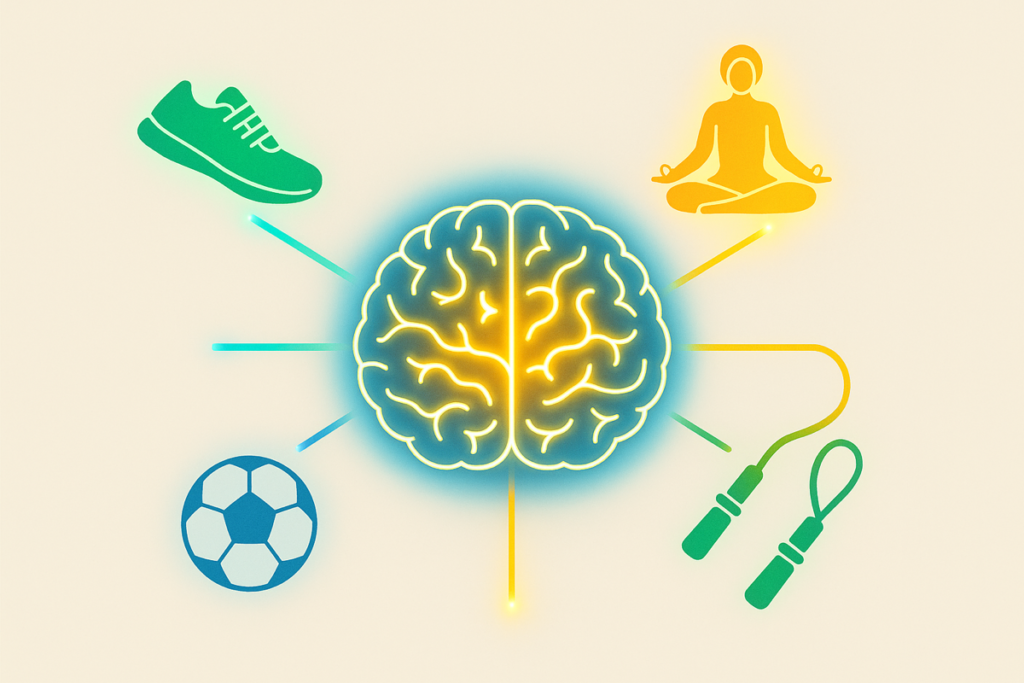
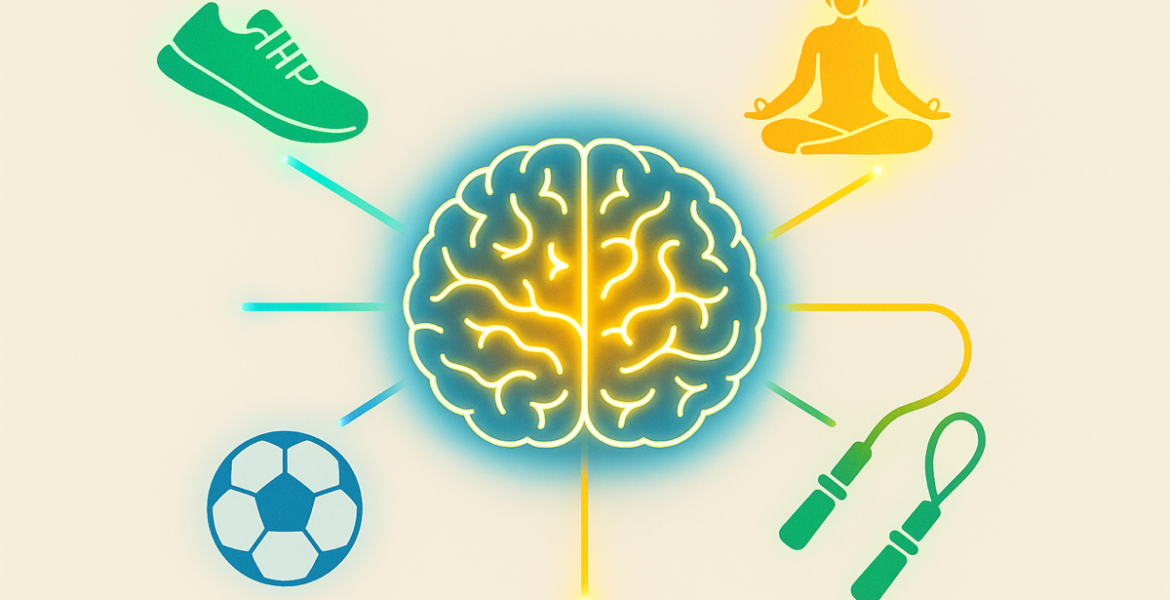
When we think about learning, we often imagine children seated at desks, books open, and minds at work. But science tells us something different: the body and brain are deeply connected. At Navriti, we believe in the power of movement in classrooms as a tool for sharper thinking, stronger memory, and happier students. Exercise and learning go hand in hand, and integrating movement into education is one of the cornerstones of active brain learning at Navriti.
The Science Behind Movement and Learning
Neuroscience shows that physical activity increases blood flow and oxygen supply to the brain, which enhances memory, focus, and creativity. Movement also stimulates the release of brain chemicals like dopamine and serotonin, which improve mood and motivation, both essential for effective learning.
How Navriti Brings Movement into Classrooms
1. Active Learning Sessions
Teachers incorporate short movement breaks, stretching, and posture exercises to refresh students’ focus during lessons.
2. Brain-Boosting Activities
Simple classroom exercises, like walking discussions, role-play, or movement-based games, enhance engagement and recall.
3. Sports and Play as Learning Tools
Beyond physical health, sports at Navriti are used to teach collaboration, strategy, and problem-solving.
4. Mind-Body Practices
Yoga, breathing exercises, and mindful movement help students calm their minds and build concentration.
Benefits of Movement in Learning
- Improved memory retention.
- Better concentration and attention span.
- Enhanced problem-solving and creativity.
- Reduced stress and improved emotional well-being.
- Stronger connections between body awareness and academic growth.
Why Movement Matters for the Future of Education
In the precision schooling model, Navriti recognizes that learning doesn’t just happen at a desk. By blending academics with physical activity, we build an education system that respects how the brain truly learns, actively, dynamically, and holistically.
FAQs
Q1. How does exercise improve learning in children?
Exercise increases oxygen flow and stimulates brain chemicals that enhance memory, focus, and motivation, directly improving learning outcomes.
Q2. How is movement included in Navriti classrooms?
Through stretching breaks, interactive activities, sports, and mindfulness practices that make learning engaging and dynamic.
Q3. Is movement only linked to physical fitness?
No. While it supports physical health, movement also strengthens brain functions like memory, attention, and problem-solving.
Q4. Does active learning take away from study time?
Not at all. Movement enhances focus and efficiency, helping students learn better in less time.
Q5. What makes Navriti’s approach different?
Navriti doesn’t see movement as an “extra”, it’s an integrated part of our precision schooling, ensuring whole-child development.
Conclusion
At Navriti, exercise and learning are inseparable partners. By designing classrooms where movement is part of the process, we foster active brain learning that prepares children not only for academic excellence but also for a healthy, balanced life.