Nursery Admissions 2026: How Schools Support First-Time Parents and Children
February 14, 2026 2026-02-18 8:06Nursery Admissions 2026: How Schools Support First-Time Parents and Children
Nursery Admissions 2026: How Schools Support First-Time Parents and Children
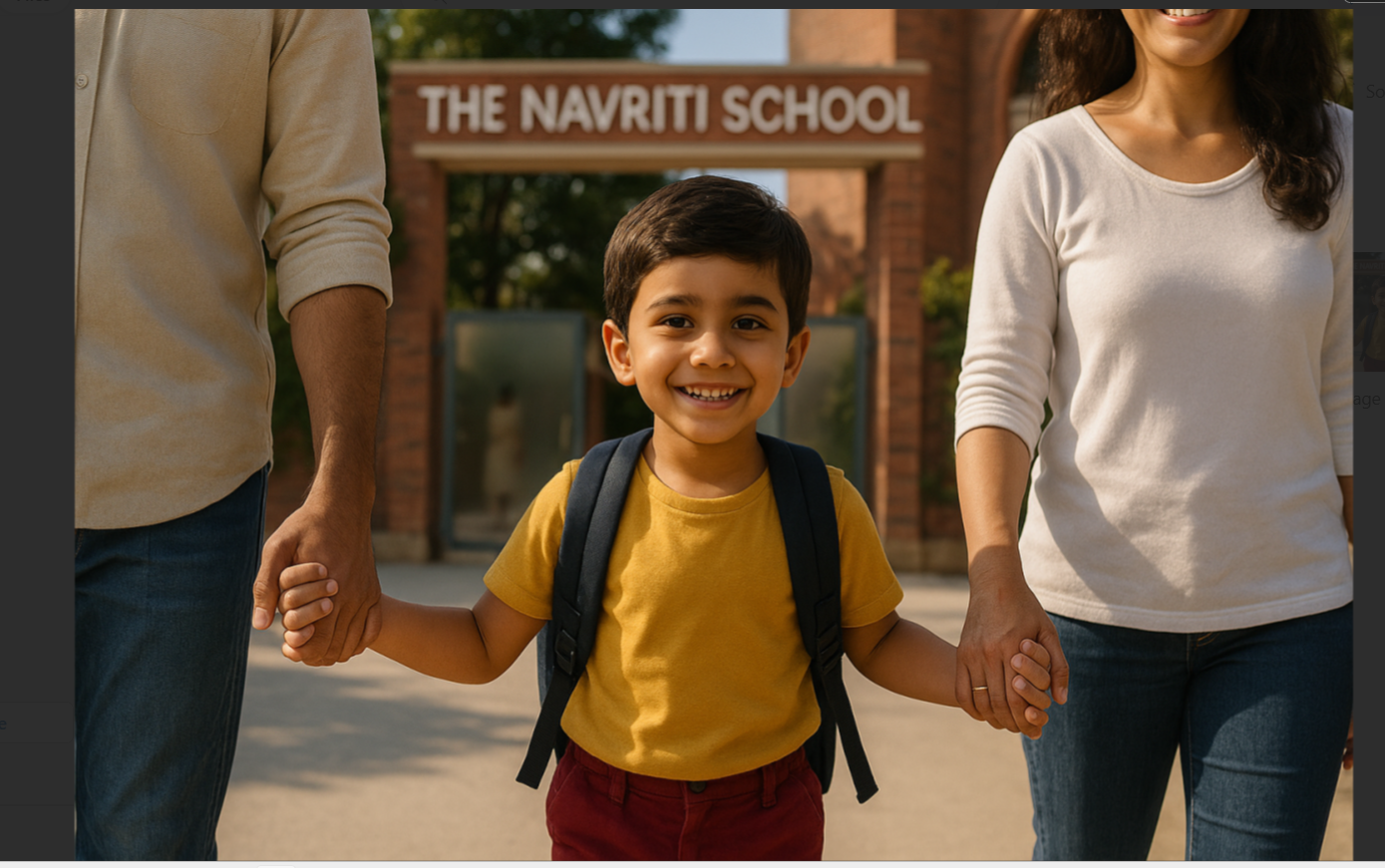
Starting your child’s educational journey can feel overwhelming. When it comes to nursery admissions Gurgaon 2026, first-time parents often find themselves navigating uncharted waters, wondering how to choose from the best nursery schools Gurgaon offers while ensuring their little one receives the care and attention they deserve during nursery school admission.
The transition from home to school represents a significant milestone for both children and parents. It’s a moment filled with excitement, anticipation, and perhaps a touch of anxiety. What makes this journey smoother is understanding how thoughtful schools approach this delicate phase of early childhood development.
Key Takeaways
• Comprehensive support systems help ease the transition for both children and parents during the nursery admission process
• Gradual introduction programs allow children to adapt naturally to their new learning environment
• Parent education and communication create partnerships that support holistic child development
• Science-informed teaching approaches ensure age-appropriate learning experiences that build confidence
• Emotional safety and nurturing environments form the foundation for joyful classrooms and future-ready skills
Understanding the First-Time Parent Experience
Every parent remembers that moment when their toddler takes their first independent steps. The nursery admission process feels remarkably similar – it’s another significant step toward independence, but this time for both child and parent.
First-time parents often worry about separation anxiety, social adjustment, and whether their child is truly ready for this new adventure. These concerns are natural and valid. The best nursery schools in Gurgaon recognize these feelings and create support systems that address them thoughtfully.
Common Concerns First-Time Parents Face
Separation Anxiety: Will my child cry when I leave? How long will it take for them to adjust?
Social Readiness: Is my child prepared to interact with other children and adults outside our family circle?
Academic Pressure: Are we starting too early? What should my child already know?
Communication Gaps: How will I know what happens during the day when my child can’t yet express everything in words?
These questions reflect the deep care parents have for their children’s wellbeing. Schools that truly understand early childhood development address each concern with empathy and evidence-based approaches.
How Quality Nursery Schools Support Smooth Transitions
Pre-Admission Orientation and Family Visits
The journey begins before the first official day. Progressive schools invite families for orientation sessions where children can explore their future classrooms while parents observe the learning environment. These visits help demystify the school experience and allow natural curiosity to emerge.
During these sessions, educators often share insights about child development, helping parents understand what to expect during different phases of adjustment. This science-informed approach builds confidence in both children and parents.
Gradual Introduction Programs
Rather than expecting children to adapt immediately to full-day schedules, thoughtful schools implement gradual introduction programs. These might include:
- Shorter initial sessions that gradually extend over several weeks
- Parent-accompanied visits during the first few days
- Flexible pickup times during the adjustment period
- Small group interactions before joining larger classroom activities
This approach honors each child’s unique pace of adaptation while building emotional safety in the learning environment.
Building Confidence Through Curiosity-Led Learning
Age-Appropriate Learning Experiences
The nursery admission process in Gurgaon should introduce children to learning through discovery rather than formal instruction. Quality early years programs focus on:
🌱 Sensory exploration through hands-on activities
🎨 Creative expression that builds confidence
🔍 Natural curiosity encouraged through open-ended questions
🤝 Social skills developed through collaborative play
📚 Language development through storytelling and conversation
These experiences create joyful classrooms where children associate learning with pleasure rather than pressure.
Supporting Individual Development Patterns
Every child develops at their own pace. Some may be ready to engage socially immediately, while others need time to observe before participating. Exceptional nursery schools recognize these differences and provide individualized support that nurtures young minds without rushing natural development.
Parent Education and Communication Strategies
Regular Communication Channels
Transparent communication helps bridge the gap between home and school experiences. Effective schools establish:
- Daily feedback systems that share highlights from each child’s day
- Photo documentation of learning activities and social interactions
- Regular parent-teacher conferences focused on development rather than performance
- Workshop series on topics like managing separation anxiety and supporting learning at home
Building Parent Communities
Starting nursery school often marks the beginning of new friendships for parents too. Schools facilitate these connections through:
- Parent coffee sessions during drop-off times
- Family events that celebrate learning milestones
- Support groups for first-time parents
- Educational workshops on child development topics
These communities provide emotional support and practical advice from families experiencing similar journeys.
Creating Emotionally Safe Learning Environments
Understanding Emotional Development
Young children experience big emotions in small bodies. Quality nursery programs help children:
- Identify and name feelings through age-appropriate language
- Develop coping strategies for challenging moments
- Build empathy through guided social interactions
- Express themselves safely through various creative outlets
For insights on supporting emotional development, explore guidance on helping preschoolers manage big emotions.
Responsive Teaching Approaches
Educators trained in early childhood development understand that behavior often communicates unmet needs. Rather than focusing on compliance, they help children develop self-regulation skills through:
- Predictable routines that create security
- Choice opportunities that build autonomy
- Problem-solving support during conflicts
- Celebration of effort rather than just outcomes
Preparing for Nursery School Admission 2026
What Parents Can Do at Home
While schools provide structured support, parents can prepare their children through simple, natural activities:
Encourage Independence: Practice simple self-care tasks like putting on shoes or washing hands.
Read Together Daily: Build language skills and create positive associations with learning.
Arrange Playdates: Provide opportunities for social interaction with peers.
Establish Routines: Create predictable patterns that mirror school schedules.
Talk About School Positively: Share excitement about the upcoming adventure.
Questions to Ask During School Visits
When exploring nursery admissions in Gurgaon, consider asking:
- How do you support children during the adjustment period?
- What does a typical day look like for nursery students?
- How do you communicate with parents about their child’s progress?
- What is your approach to managing challenging behaviors?
- How do you individualize learning for different developmental levels?
The Role of Play in Early Learning
Learning Through Discovery
Research consistently shows that play is children’s primary vehicle for learning. Quality nursery programs integrate:
- Unstructured exploration time for natural discovery
- Guided play activities that introduce new concepts
- Outdoor experiences that connect children with nature
- Creative arts that encourage self-expression
- Music and movement that support physical development
Real-World Learning Experiences
Rather than abstract lessons, effective early years education connects learning to children’s immediate experiences. This might include:
- Cooking activities that introduce math concepts
- Garden projects that explore science naturally
- Community helpers visits that expand social understanding
- Seasonal celebrations that mark time and build traditions
For more insights on this approach, learn about why smart parents are rethinking how kids learn.
Supporting the Whole Family System
Recognizing Parent Emotions
Schools that truly support families acknowledge that parents also experience a range of emotions during this transition. Feelings of pride, anxiety, excitement, and loss are all normal parts of this milestone.
Quality programs provide:
- Validation of parent feelings without judgment
- Practical strategies for managing separation anxiety (both child and parent)
- Celebration of growth milestones achieved together
- Flexibility during challenging adjustment periods
Building Long-Term Partnerships
The relationship between families and schools extends far beyond the nursery years. Establishing strong foundations during early years admissions creates partnerships that support children throughout their educational journey.
Looking Ahead: Future-Ready Skills from the Start
Holistic Child Development
While academic readiness often dominates admission conversations, the best nursery schools focus on holistic development that includes:
- Emotional intelligence and self-awareness
- Social skills and empathy
- Creative problem-solving abilities
- Physical coordination and body awareness
- Communication skills across multiple modes
Building Foundations for Lifelong Learning
The goal isn’t to create tiny academics but to nurture confident, curious learners who approach challenges with resilience and joy. This foundation supports success not just in primary school but throughout life.
For comprehensive guidance on the admission process, explore the complete school admissions guide for Gurgaon 2026.
Conclusion
Choosing the right nursery school represents one of the first major decisions parents make for their children’s future. The best nursery schools in Gurgaon understand that supporting first-time parents and children requires more than just excellent facilities or curriculum – it demands genuine care, scientific understanding of child development, and commitment to building emotionally safe learning environments.
As you navigate nursery admissions Gurgaon 2026, remember that this journey is as much about finding a community that shares your values as it is about academic preparation. Look for schools that celebrate curiosity, build confidence, and create joyful classrooms where both children and parents feel supported.
Next Steps for Parents
- Research thoroughly: Visit multiple schools and observe their approaches to early childhood education
- Trust your instincts: Choose environments where both you and your child feel comfortable
- Prepare gradually: Begin conversations about school well before admission dates
- Build support networks: Connect with other parents navigating similar experiences
- Embrace the journey: Remember that adjustment takes time, and every child’s path is unique
The right nursery school becomes a partner in your child’s development, supporting not just academic growth but the full flowering of their unique potential. When schools and families work together with this shared vision, children thrive in ways that extend far beyond any single classroom or curriculum.
For additional support during this important transition, explore resources on school timings and schedules and and admission process details to help you make informed decisions for your family’s educational journey.
Related Posts